Research Interest
The Meng Lab investigates the molecular mechanisms underlying a range of neurological disorders, including autism, epilepsy, and neurodegenerative diseases—conditions that affect millions of individuals and present long-term challenges for patients and families. A major obstacle in understanding these disorders has been the limited access to intact and functional human brain tissue to for detailed investigation. To address this, the lab utilizes brain organoids derived from human induced pluripotent stem (hiPS) cells to model human brain development and disease. These three-dimensional organoids recapitulate key features of early brain development, providing a powerful and human-relevant platform for studying disease mechanisms.
Uncover the convergent mechanism of autism
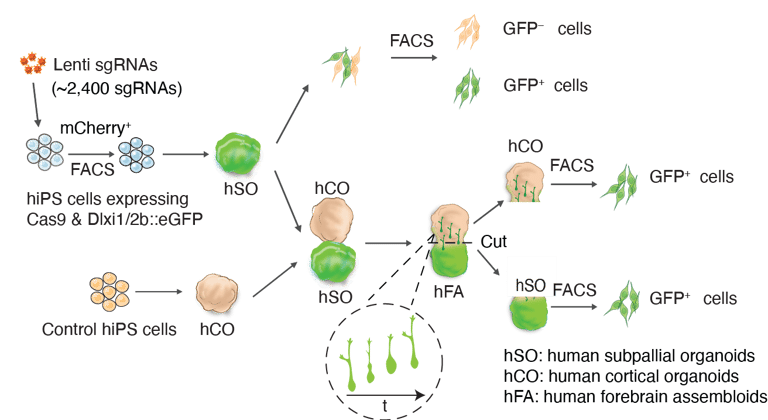
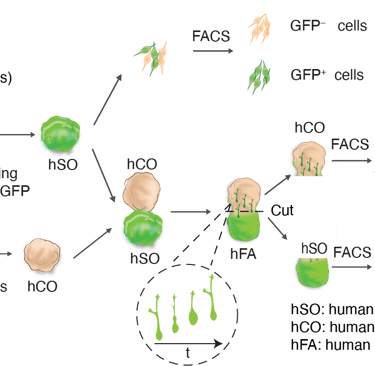
Autism is a highly heterogeneous neurodevelopmental disorder in which diverse genetic mutations can lead to shared clinical features. Although many autism risk genes have been identified, a central challenge is to understand how these distinct genetic factors converge on common developmental and cellular pathways. We couple CRISPR-based genetic screening with human brain organoid and assembloid models to systematically interrogate autism-associated genes in a human context. This approach allows us to identify the convergent biological processes disrupted in autism.
Dissect the molecular mechanism underlying human interneuron development
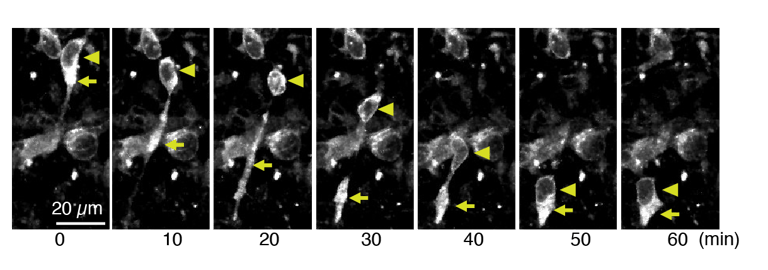
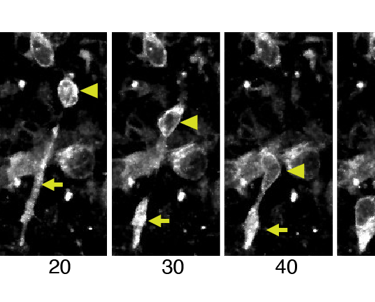
Human cortical function depends on the proper generation, specification, and migration of inhibitory interneurons, yet the molecular programs that govern these processes in humans remain incompletely understood. We use hiPS cells-derived subpallial organoids and forebrain assembloids to study interneuron development in a physiologically relevant context. We aim to define the molecular pathways that control human interneuron lineage progression, migration, and circuit integration, and to understand how disruption of these pathways contributes to neurodevelopmental disorders.

Develop gene therapy to tackle neurological disorders
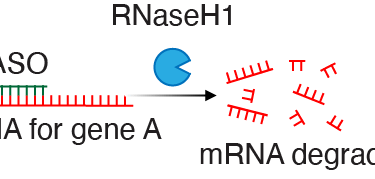
We aim to develop gene-based therapies for neurological disorders using human brain organoid models. A major focus of our work is antisense oligonucleotide (ASO) therapy, which uses short synthetic nucleic acids to regulate RNA processing or expression. These human brain organoid models provide a platform to test how ASO-based approaches affect disease-relevant phenotypes in a human relevant context.
Contact
Duncan Neurological Research Institute (Office)
1250 Moursund St.
Room: DNRI-1265.16
Houston, TX, 77030
United States
Phone
xmeng@bcm.edu
(832)824-3537
© 2025. All rights reserved.